
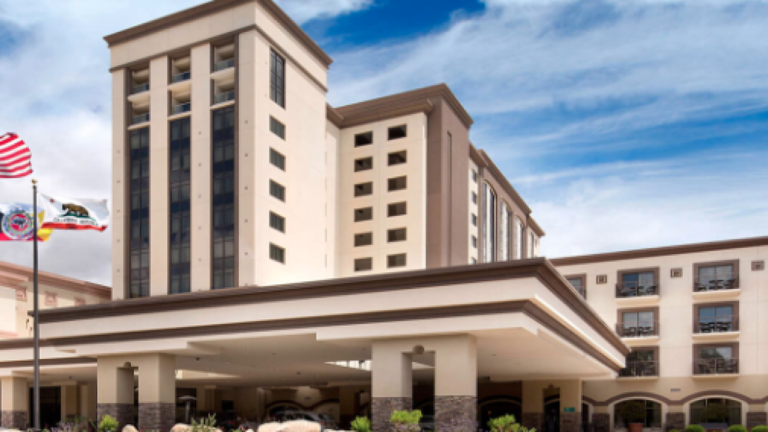
The Flamingo Casino, one of the most iconic resorts on the Las Vegas Strip, has a storied history that reflects the evolution of the gaming industry in the United States. Originally opened in 1946 by infamous mobster Bugsy Siegel, the Flamingo was the first luxury hotel and richville casino (https://rich-ville-casino.com) in Las Vegas, setting the standard for future developments in the area. Over the years, ownership of the Flamingo has changed hands multiple times, mirroring shifts in the gaming landscape and the broader economy.
Bugsy Siegel’s vision for the Flamingo was to create a glamorous destination that would attract high rollers and celebrities. However, his ownership was short-lived; Siegel was murdered in 1947, and control of the casino fell to his associates. The Flamingo faced financial difficulties initially, but it eventually became profitable and a key player in the Las Vegas gaming scene.
In the 1950s and 1960s, the Flamingo was acquired by the Teamsters Union, which was then led by Jimmy Hoffa. The union’s involvement in the casino industry raised eyebrows and led to increased scrutiny from federal authorities. In 1967, the Flamingo was sold to the Hilton Hotels Corporation, marking a significant transition from mob ownership to corporate management. This shift symbolized the mainstreaming of Las Vegas as a legitimate entertainment destination.
The Flamingo continued to thrive under Hilton’s ownership, becoming a popular venue for tourists and locals alike. In 1970, the hotel underwent a major renovation that modernized its facilities and expanded its offerings. However, in 1988, Hilton decided to divest from its casino properties, and the Flamingo was sold to a consortium of investors led by the then-CEO of the newly formed Bally’s Entertainment Corporation.
In 1990, the Flamingo was acquired by the Harrah’s Entertainment group, which later rebranded as Caesars Entertainment. Under Caesars, the Flamingo underwent several renovations and expansions, including the addition of a new hotel tower and the enhancement of its gaming floor. The casino has remained a staple of the Las Vegas Strip, known for its vibrant atmosphere, tropical-themed decor, and diverse entertainment options.
In 2017, Caesars Entertainment was acquired by Eldorado Resorts in a deal valued at approximately $17.3 billion. As a result of this acquisition, the Flamingo became part of Eldorado’s expanding portfolio of gaming properties. Eldorado has since focused on revitalizing the Flamingo, introducing new dining options and entertainment experiences to attract a younger demographic while preserving the casino’s storied legacy.
Today, the Flamingo Casino is owned by Caesars Entertainment, which operates it as part of its diverse portfolio of resorts and casinos across the United States. The Flamingo continues to be a significant player in the Las Vegas market, known for its rich history and enduring appeal. As the casino industry evolves, the Flamingo stands as a testament to the resilience and adaptability of Las Vegas, reflecting the changing tides of ownership and management in the world of gaming.